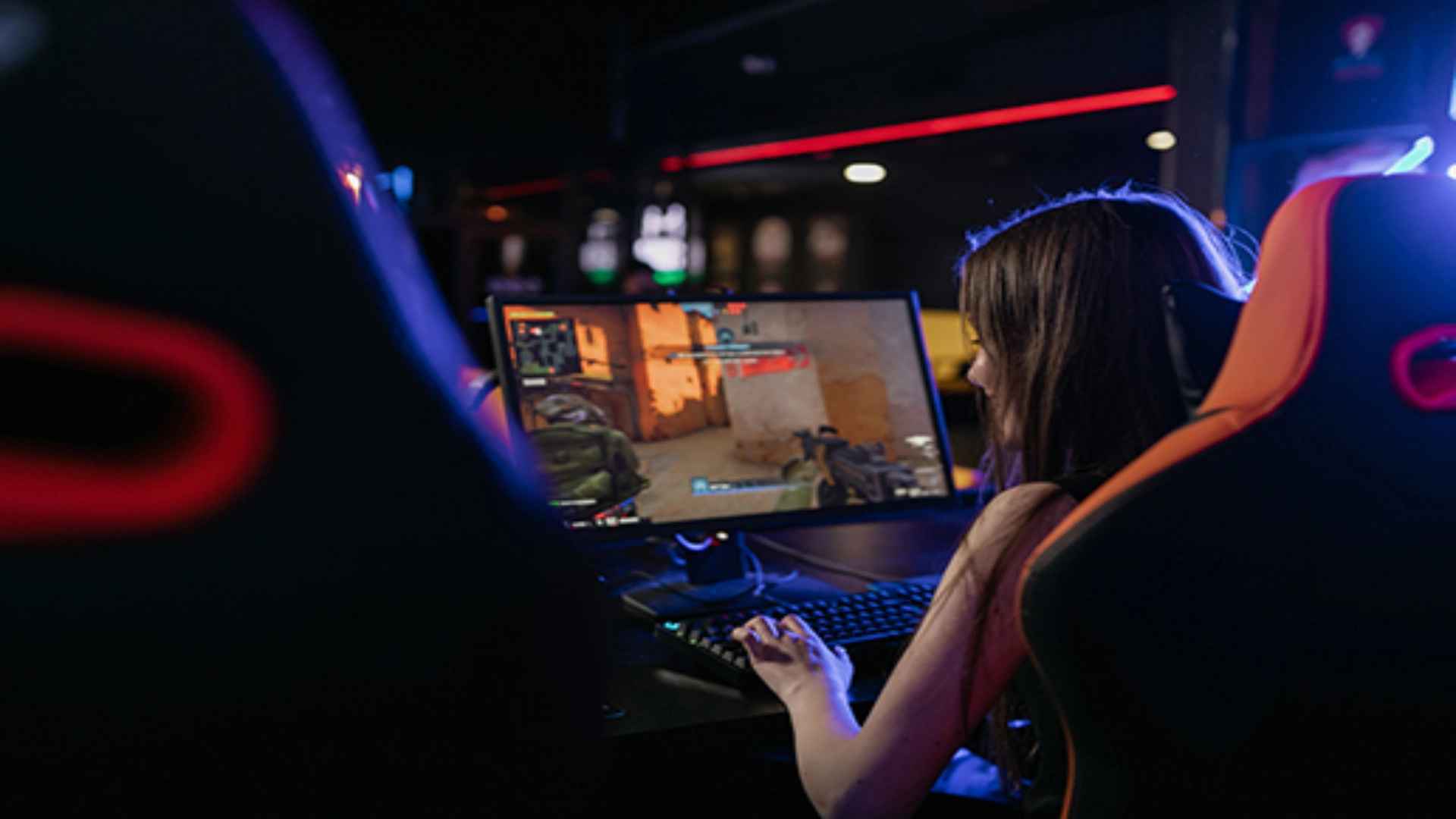
Mobile gaming has evolved from simple time-killing pastimes into deeply personal digital entertainment hubs. Modern players demand control over how their games look, feel, and operate on touchscreen devices. By offering robust customization options, game developers allow individuals to tailor their interactive journeys to suit unique preferences and hardware capabilities.
Personalizing Visuals and Interface Layouts
Customizing the user interface plays a major role in modern touchscreen usability. Players can adjust button placements, HUD transparency, and color schemes to optimize their visual clarity. This level of control ensures that players interact seamlessly with their favorite titles during intense gameplay sessions.
Visual customization extends into cosmetic items such as character skins, themed avatars, and personalized card backs. These aesthetic choices give players a sense of ownership over their virtual presence. Expressing individuality through design enhances emotional connection and overall satisfaction with mobile titles.
Tailoring Controls for Superior Accessibility
Control scheme adjustment is one of the most practical applications of mobile game customization. Modern titles allow users to modify touch sensitivity, enable gyroscope controls, or map external controller inputs. These settings reduce physical strain and accommodate different hand sizes or playstyles effortlessly.
Accessibility features have also expanded significantly across major operating systems and modern application stores. Gamers seeking modified gaming options or regional variants often explore curated installation sources like m88 game apk to access specific platform builds. Flexible control setups ensure that gaming remains inclusive and enjoyable for users with varying physical needs.
Optimizing Performance for Varied Hardware
Mobile devices span a vast range of processing power, screen refresh rates, and battery capabilities. Customizable graphics menus empower users to balance visual fidelity against device performance and battery efficiency. Lowering shadow quality or unlocking higher frame rates helps maintain smooth performance on diverse smartphones.
Advanced audio and haptic feedback toggles further refine how a game feels in the user's hands. Tuning sound channels allows players to prioritize strategic voice cues over background music. Adjusting vibration feedback provides tactile satisfaction without draining device battery unnecessarily fast.
Boosting Player Engagement and Retention
Customization transforms passive consumption into active creation, significantly increasing long-term retention. When players invest time into crafting custom loadouts, decorating digital spaces, or building tailored strategies, they feel deeply connected to their progress. This sense of accomplishment encourages regular return visits and sustained engagement.
Furthermore, customized gameplay loops keep experiences feeling fresh over extended periods. Flexible difficulty levels and customizable challenge modes allow players to scale intensity according to their mood. Ultimately, empowering players with choices elevates mobile gaming from simple distraction to highly engaging personal entertainment.