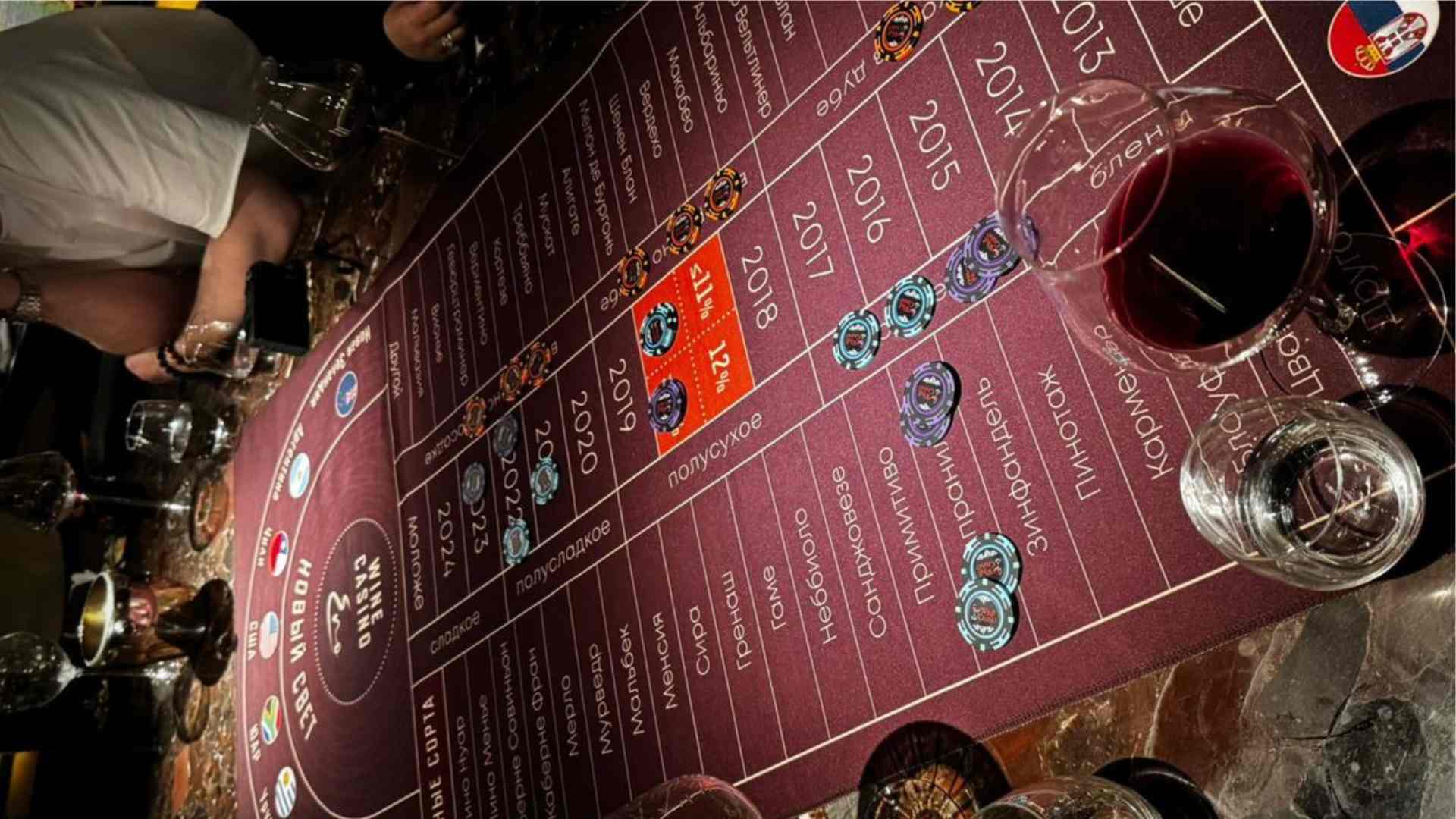
Modern tabletop gaming has transformed from a simple pastime into a powerful tool for personal development and lifelong learning. Unlike older design philosophies that relied purely on luck, contemporary board games emphasize strategic choice and adaptive thinking. This shift ensures that every participant, regardless of skill level, can discover new ways to improve their cognitive abilities through play.
Fostering Cognitive Adaptability and Strategic Vision
Engaging with complex board games forces individuals to assess dynamic situations and plan multiple steps ahead. Players must constantly analyze changing variables on the board and recalibrate their strategies to stay competitive. This interactive loop actively strengthens cognitive flexibility, helping people apply structured problem-solving methods to real-world challenges.
Furthermore, many modern titles reward long-term planning while forcing participants to manage scarce resources efficiently. Balancing direct risk against potential future rewards helps individuals develop a healthier mindset toward calculated decision-making. Over time, navigating these fictional dilemmas translates directly into sharper analytical skills outside the gaming environment.
Cultivating Soft Skills and Interpersonal Development
Beyond individual mental growth, tabletop experiences provide a structured ecosystem for developing critical emotional intelligence and soft skills. Cooperative games, in particular, require intense communication, active negotiation, and deep empathy to achieve shared victories. Participants learn to value diverse perspectives, share responsibilities, and handle collective setbacks with grace.
For those looking to transition from physical strategy to digital interactive platforms, exploring secure hubs via the M88 Msports Login offers a different avenue of engagement. However, the face-to-face interaction inherent in physical board gaming remains unmatched for building authentic social connections. Dealing with fair competition teaches individuals how to manage both success and failure constructively.
Designing Balanced Environments for Sustainable Growth
The brilliance of modern game design lies in creating variable mechanics that adapt seamlessly to different player skill levels. Systems like dynamic handicaps, hidden information, and modular board setups ensure that veteran hobbyists and newcomers can play together. This thoughtful balance prevents frustration and encourages continuous self-improvement during each session.
When a game provides a clear path forward without making success feel completely unreachable, motivation stays remarkably high. This sweet spot of psychological engagement is exactly what transforms a simple hobby into a platform for continuous personal evolution. By focusing on intentional design, modern board games successfully invite every single player to grow over time.